
Taekwondo Punches for Beginners: The Essential Hand Strikes
While kicks dominate Taekwondo headlines, mastering hand techniques is essential for balanced combat and form. Here is your beginner guide to basic Taekwondo punches and strikes.

While Taekwondo is world-famous for its dynamic kicks, effective hand techniques form the foundation of complete martial arts training. Whether you are executing forms (poomsae) or training for self-defense, learning basic taekwondo punchs and open-hand strikes builds essential hand-eye coordination, balance, and defensive readiness.
For beginners, understanding how to generate power through hip rotation, maintain a solid guard, and align your wrists properly is critical. Master these taekwondo punchs techniques to bridge the gap between footwork, defense, and striking.
Basic taekwondo punchs include straight strikes (Mid Punch and High Punch), continuous combinations (Double and Triple Punches), curved techniques (Hook and Uppercut), and open-hand strikes (Knife Hand). Success comes from relaxing your shoulders, generating force through core and hip rotation, aligning your wrist at impact, and snapping the hand back immediately to protect your guard.
The Core Straight Taekwondo Punches
Straight punches are the most fundamental strikes in Taekwondo. They travel directly along your centerline, offering maximum speed, precision, and reach while keeping your defense tight.
The Mid Punch targets the solar plexus or torso area. Starting from a strong fighting stance, push your fist straight forward toward the middle section, rotating your fist at the end of the strike for maximum impact before quickly snapping back to guard. Keep your shoulders relaxed to maximize speed and fluidity, and keep your non-punching hand tight to your ribs or face to maintain balance and protection.
The High Punch extends straight forward toward the opponent's upper face or forehead. Keep your wrist perfectly straight at impact to prevent joint stress, and breathe out sharply with each punch to enhance power and focus.
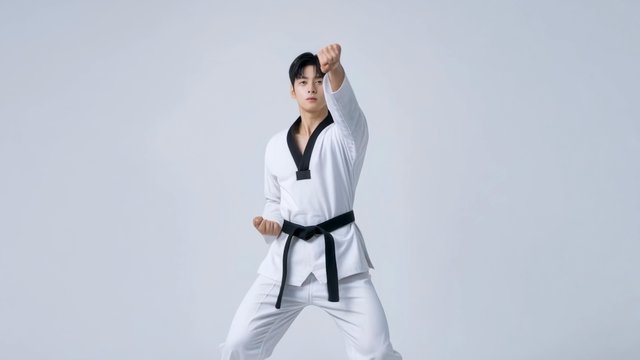
Once single strikes are consistent, practice chaining straight punches. Double Punches pair a lead-arm straight punch with an immediate rear-arm follow-up. Keep your fists relaxed until the moment of impact and engage your hips to generate force without overextending.
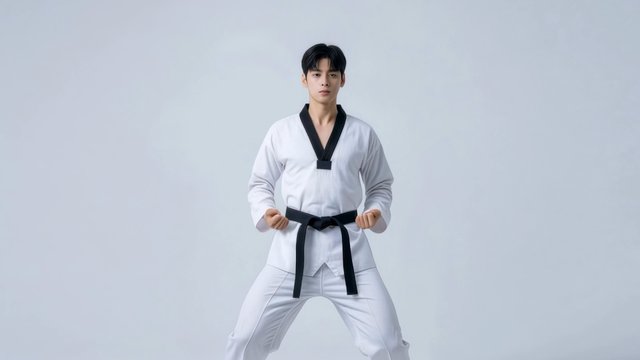
Triple Punches take rhythm a step further by chaining lead, rear, and lead punches in rapid succession. Focus on continuous hip rotation to maintain power across all three strikes while swiftly retracting each hand to preserve your defensive guard.
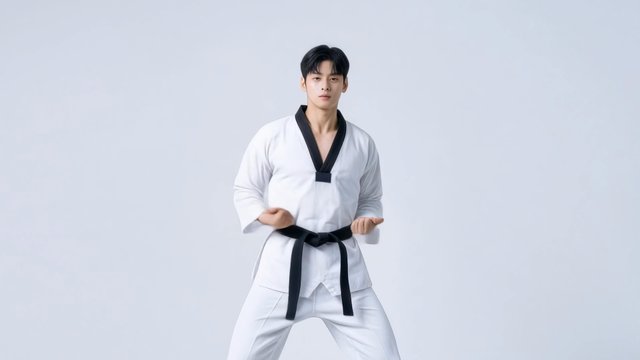
Curved and Short-Range Hand Strikes
When space compresses, straight punches lose power. Circular and upward hand techniques allow you to strike around an opponent's defense or inside close range.
Hook Punches swing in a circular arc toward the side of the target while keeping the elbow bent. Aim to connect cleanly with the front two knuckles. Engage your core and pivot your hips to drive force through the arc rather than relying solely on arm muscle.
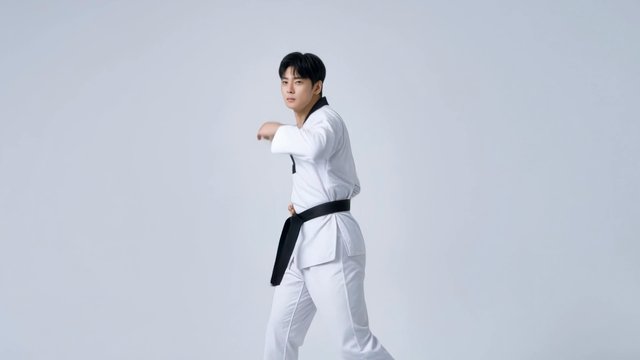
The Uppercut drives upward from a lowered guard position near the waist. Bend your knees slightly and drive up through your legs and hips as your fist travels upward toward the chin or midsection, exhaling sharply on impact.
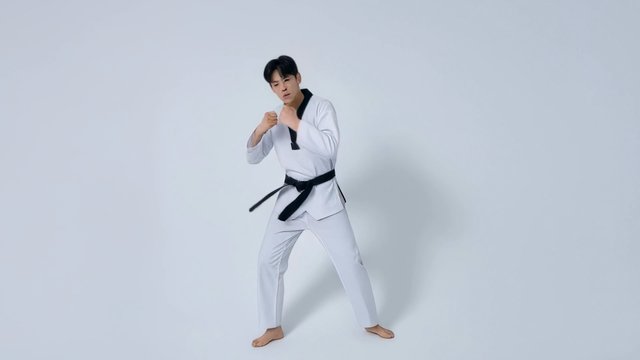
The Back Fist Strike relies on a whipping snap of the elbow joint, striking with the back of the knuckles. Bring your fist near your head with the palm facing inward, extend rapidly, and snap the fist back instantly to reset your guard.
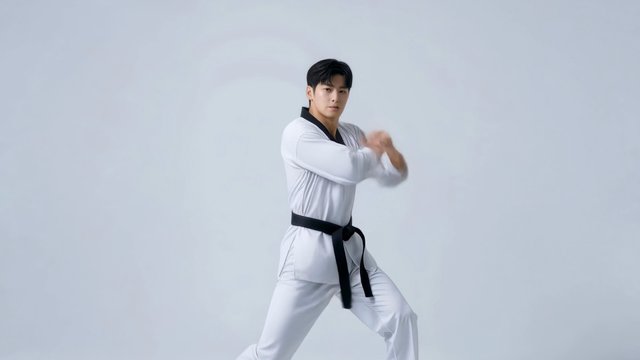
The Hammer Fist Strike strikes downward using the bottom padded fleshy edge of your clenched fist. Keep your wrist straight and drive through the core to execute a heavy, controlled downward motion.
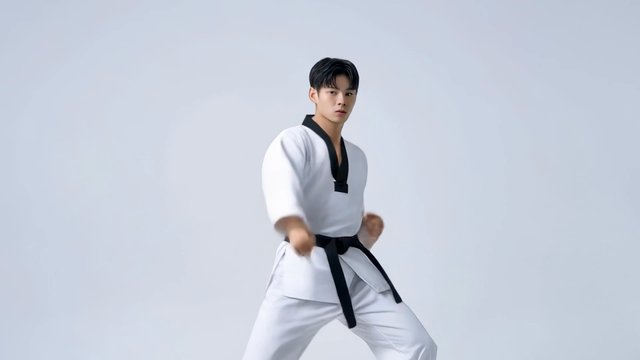
Open-Hand Knife Hand Techniques
Open-hand techniques (Sonkal) are signature traditional components of taekwondo punchs for beginners and advanced practitioners alike, useful for both offensive striking and defensive deflections.
The Knife Hand Strike uses the outer edge of an open, firm hand with fingers held together. Swing the hand from shoulder level in a fluid motion while rotating your hips to maximize structural power.

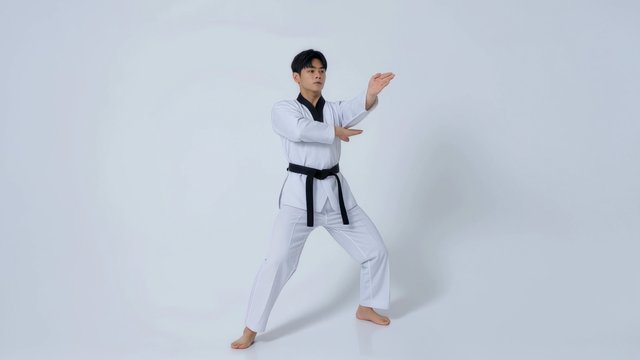
Defensively, the Block Knife Hand Strike uses an open palm angled inward to sweep across your centerline, deflecting incoming arm or leg attacks while staying ready to counter.
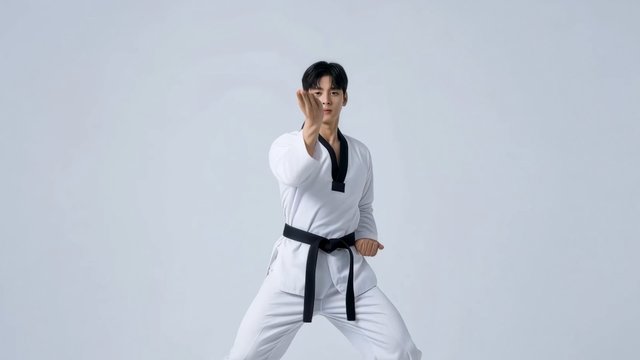
For linear open-hand attacks, the Knife Hand Thrust extends straight forward with fingertips aligned and hand tense, targeting soft areas or joints before rapidly retracting to guard.
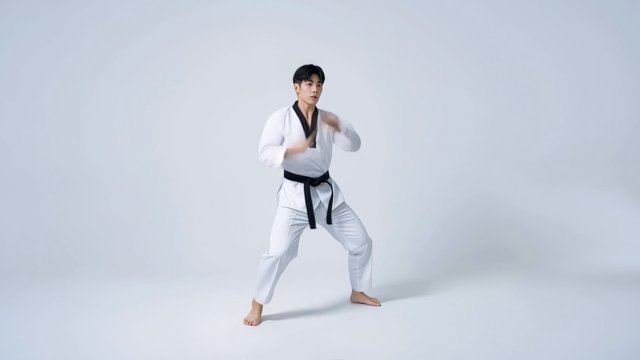
To counter linear thrusts, the Block Knife Hand Thrust steps back into a stable defensive stance while sweeping open hands across to neutralize straight incoming strikes.
Step-by-Step Beginner Punching Session
Beginner Hand Technique Practice Structure
- Warm-up and Stance Set-Up Assume a stable fighting stance with knees bent slightly, hands up protecting your face, and shoulders completely relaxed.
- Single Straight Strikes (5 Minutes) Practice 20 repetitions of Mid Punch followed by 20 repetitions of High Punch on each side, focusing on clean fist rotation and rapid snap back.
- Combination Chaining (5 Minutes) Perform sets of Double Punches and Triple Punches. Focus on steady breath control and smooth hip transfer between arm extensions.
- Open Hand and Angular Technique Cool Down (5 Minutes) Work through controlled repetitions of Knife Hand Strike, Back Fist Strike, and defensive blocks to build body awareness and edge alignment.
Frequently Asked Questions
Common mistakes
Why it holds you back: It leaves the face completely exposed to counterattacks. Fix: Glue your non-punching fist to your jawline or cheek bone until it is called upon to strike.
Why it holds you back: Absorbing force through a bent wrist causes acute sprains and robs power from the strike. Fix: Keep the wrist completely flat and aligned with the forearm bones, tense at the instant of impact.
Why it holds you back: Arm punches lack structural kinetic energy and fatigue your arms quickly. Fix: Initiate every strike from the floor by pivoting your feet and rotating your hips into the movement.
Why it holds you back: It warns your opponent and opens your ribs to counterstrikes. Fix: Keep your elbows tucked tight along your centerline until the arm pushes straight out.
Beginner Taekwondo Hand Strike Routine
Complete 3 rounds of this fundamental upper-body routine with 45 seconds of rest between rounds.
- Mid Punch 45 seconds (suggested) — Snap back quickly after each extension while holding a tight guard.
- High Punch 45 seconds (suggested) — Exhale sharply on impact and keep your wrist straight.
- Double Punches 45 seconds (suggested) — Rotate your hips continuously between the lead and rear strikes.
- Knife Hand Strike 45 seconds (suggested) — Keep fingers pressed firmly together and swing with relaxed shoulders.
Durations marked “suggested” are editorial recommendations, not data from the app.
Are punches legal in Taekwondo competition?
Yes, straight body punches to the trunk protector (hogu) are scored in WT Olympic sparrings, while head and body hand techniques are permitted in traditional ITF rules.
Why is fist rotation important at the end of a Taekwondo punch?
Rotating the fist during extension aligns the radius and ulna bones, stiffens the wrist joint on impact, and adds snap to the force vector.
How do I prevent wrist injuries when punching?
Keep your forearm and back of the hand aligned in a straight line at impact, land strikes with the first two knuckles, and keep fists relaxed until impact.
Was this helpful?
Thanks for your feedback!
Comments
No comments yet — be the first.